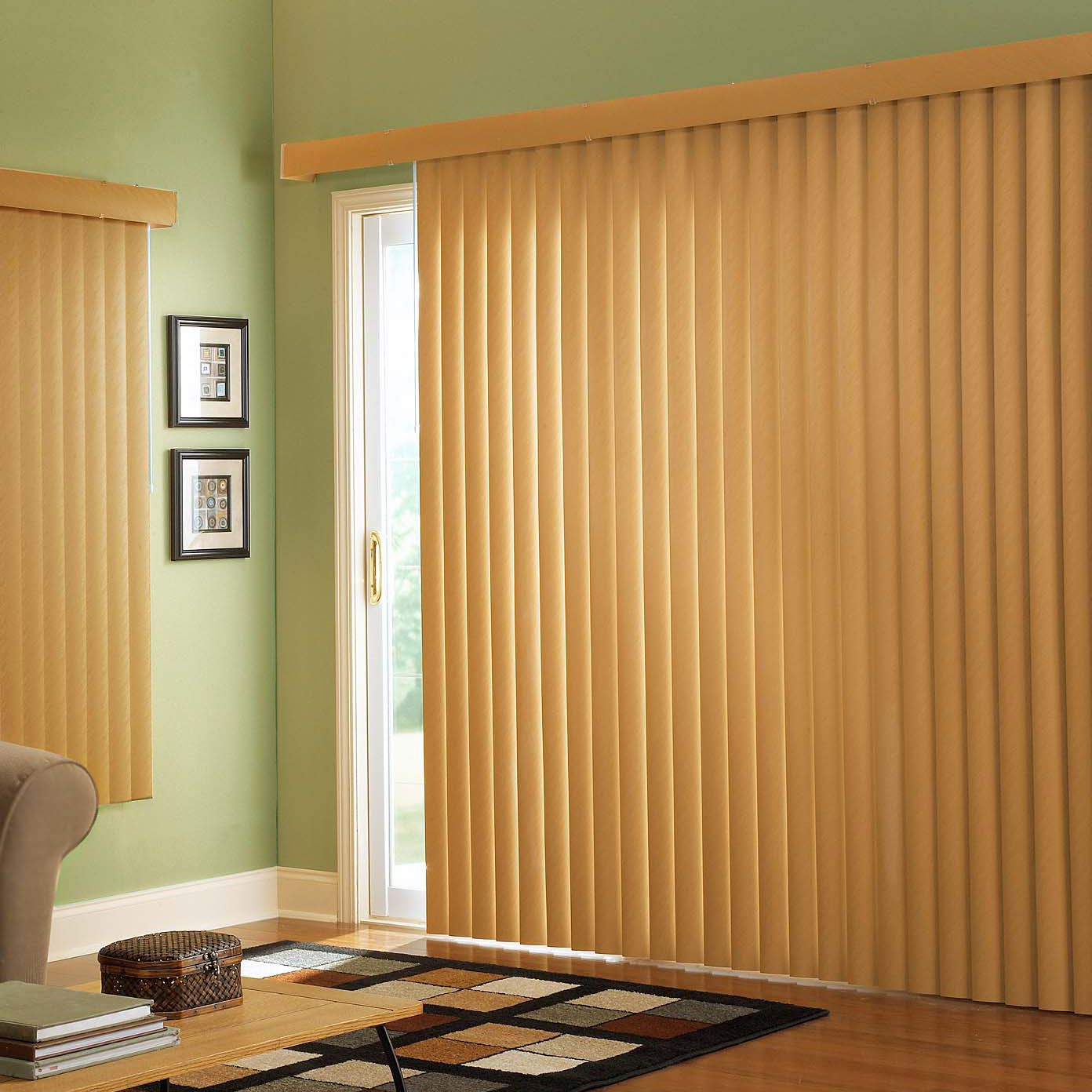
In Australia's quest for living in comfort, we tend to concentrate on the most expensive things. It's often overlooked, but blinds on windows can be a very powerful player when it comes to energy efficiency. In our climate of scorching summers and frequently cold winters, windows are the single greatest source of unwanted heat gain and devastating loss of heat. Window furnishings can have a major impact on your home's thermal performance. This has a direct effect on your wallet and reduces the carbon footprint of your home. The secret lies in the hidden engineered fabric designed to trap reflec-te, insulate and trap.
In order to fully grasp the potential, one has to first grasp the problem. That is the physics of the window. Glass isn't a great insulation. In summer, it functions as a magnifying lens allowing shortwave solar radiation to pour into your home, which is absorbed by your furniture and floors and re-radiated as longwave heat. It is then in the greenhouse effect, which is well-known. In winter, this is exactly the opposite. The heat that is emitted by your heater escapes through your glass's cold surface. Standard single-layer blinds - just a basic vinyl or fabric piece - offer only modest protection. They might be able to block glares, but are not able to prevent heating from convecting. Magic happens with designs that use the trapping of air and reflective technology.
Two specific blind designs step into the spotlight as the unsung household heroes thermal-backed roller blinds, and honeycomb (or cellular) blinds.
The Reflective Shield The Reflective Shield
Imagine them as insulated foil bags for your windows. A blockout roller blind transforms into an efficient thermal unit with the addition of a thin, often metallic, layer bonded to the back of the fabric. The secret is in the reflective coating. When the blinds are shut in summer the reflective coating faces outward. It functions as a mirror, bouncing large amounts of solar energy away from your window before it can even get through the glass. This is a proactive way to protect. In winter, the same concept operates in reverse. When the blind is closed it is reflected in the direction of your space. It reflects radiant heat and bounces it back to your home. It's an easy and elegant technology that turns blinds into an effective climate control system. It is recommended to look for blinds with "Total Solar Energy Rejected (TSER)," which specifies the percentage of solar energy that is rejected. The thermal-backed blind specifically, is able to block more than 70% of the heat from the sun.
Honeycomb Cellular Blinds: Insulating Trap.
Honeycomb blinds feature a cleverly constructed structural design that protects. Honeycomb blinds' hexagonal cells, that resemble beehives, are more than only an aesthetic element. They are also tiny insulations. If the blind is lowered and vertical columns of fabric trap and contain pockets of air. The idea behind double-glazed windows and cavity-wall insulation is that air, if it's stationary, is one of the most effective insulators in nature. Air pockets trapped in the air create a powerful buffer area between the window glass and your room. They dramatically slow the transfer of heat in both direction. When it is a hot day, the glass will take longer to heat your air. A frosty morning will see the glass block your room from warming up. Double-cell designs offer a more effective air barrier by having two layers of stacked cells. Honeycomb Blinds perform well in all seasons. They keep heat out and let it out and keep it.
To maximize this potential energy savings, it takes more than buying the best products; it is a matter of judicious use. Sealing is vital. Gaps can reduce efficiency. In this instance, it is imperative that you hire an expert to measure and install the blind. A blind mounted inside the window recess creates more of a seal on all four sides compared to one hanging from the frame. Side channels can be utilized to guide the blind eliminating air and light gaps. This is also important. In order for the blinds completely lowered, they must be in their lowest position during the peak time of heat. Closing them as soon the sun sets can help to keep you warm in the cold winter months.
When consulting with suppliers, shift the conversation from just colour and cost-per-square-metre. Inquire about technical issues that will reveal the real performance.
The logic behind the financials is convincing. Although high-quality blinds such as thermal or Honeycomb are more costly than standard models at first, it is important to think about them as a sensible investment in the long run. Reduced workload and therefore lower operating costs can be substantial. Savings on energy bills could be more than the price of blinds over their lifetime that is usually about a decade. In addition to purchasing window blinds, but also a smaller and less frequent bill for energy.
The selection of energy-efficient window blinds is an essential part of building a sustainable and durable Australian home. Smart design is the key to coping with Australia's demanding climate instead of fighting it with brute force air conditioning. It makes the home more comfortable and quieter with less noise, fewer draughts, and more stable temperatures. This insulation layer is an effective method of increasing efficiency in the home in the midst of increasing energy costs and increasing environmental awareness. This simple change pays for itself in terms of comfort and savings year after year. See the recommended blinds for website advice including the perfect blinds, order custom shutters, blinds manufacturing, all the blinds, blinds on the door, blinds discounts, direct to you blinds, blinds fitting, local blinds, local blind suppliers and more.
The Trust Metric, How To Identify Blind Suppliers Beyond The Brochure
You are purchasing more than a blind in the Australian market. You make a promise. It is a guarantee that the measurements are precise and that the installation is perfect, and that the motor will continue to run for a long time, and if there is a problem, we'll repair it with no hassle. Although the fabric sample you have in your hands is tangible but it's not only about that. It's as much about service, knowledge integrity, professionalism, and many more. Before you discuss fabric or get a quote the most crucial research should be done on the reputation of the supplier. The reputation of the supplier in your area is the initial option when dealing with an industry where an accident could cause a blind to malfunction or does not function or is improperly fitting.
Online reviews are the beginning point for many people However, you must be sure to read them thoroughly, and not merely glance at their average. A flawless 5.0 score with only a handful of reviews can be as unreliable as a score that is low. Look for volume and patterns across multiple platforms--Google My Business, ProductReview.com.au, and Facebook. Don't just focus on the positive reviews. Check out the 3and 4 star reviews, and also the responses of the company when there's negative feedback. This is where character is exposed. They can either defend themselves with blame or acknowledge the issue, and then detail an approach. A business that admits the error is accountable. Look for specific praises that fall compatible with your needs. For instance, "Their Mark, the installer, was clean and tidy and did a great job." or "They dealt with their manufacturing delays with a clear and transparent manner, and kept me on the latest developments." This type of feedback is much more valuable than a hundred "Great work!" comments.
However, digital reputations can be curated. In this case, time is an important and powerful old-world measurement. The track record of a supplier is crucial because it demonstrates that they have been through numerous economic cycles. They also demonstrate that they've been able to adapt to the changing standards of safety and served local homeowners for a long time. Within a period of 10 to 15 years, they've probably solved the multitude of problems that arise--the wrong material that was shipped from the warehouse, a window that isn't square or a motor that isn't working--and created systems to prevent them from happening. These businesses have likely built up strong, direct connections that provide them with greater leverage in warranty claims as well as access to higher-quality parts. A long-term presence in the local community indicates that they've invested in the area; their company name is tied to their involvement in the community. They can't afford to do an inferior job and then reinvent their name next year.
The time is now to take the next most important step: re-examining their portfolio. A reputable company should be able to readily offer examples, not only from a generic national catalogue as well as from homes in your region. Ask directly "Can you provide me with examples of roller blinds you've installed on old-fashioned windows that are like my own?" Or "Do you have photos of a motorised set-up you've put in a modern open-plan living area?" These pictures show a history of great success. Find out if they can arrange a visit to the completed work, or provide contact information for a former client. The ability to see the final product, look at the installation, and speak directly from the homeowner is invaluable. The conversation shifts away from speculative promises to a more concrete and tangible result.
The direct contact with you goes far beyond the three foundations. It's an audit that takes place in real-time. The method used by a trustworthy provider is educational and not transactional. They should be asking the same number of questions they ask regarding your house and its surroundings, about your daily routines, about any animals or children, as well as the long-term plans you have for that space. They should insist on a site visit for anything beyond a single, standard window, understanding that measurement of a floor plan can be an ideal recipe for disaster. The quote must be precise with the price being separated from the cost of supply, installation, and measuring. This is a red flag if the quote seems vague.
Be deeply wary of the "too-good-to-be-true" quote. The blinds market is dominated by many companies that compete solely on price. They usually employ inferior imported products without stock in the US, and subcontract installation, and provide warranties that are difficult to keep in force. Blinds that fade in one season, motors which fail right before the return window and installers who leave a mess or don't respond to calls are all examples of hidden expenses. The price of a reputable service is based on wages paid to local installers as well as materials that are Australian-compliant, as well as the costs associated with keeping an actual presence.
The selection of blinds providers in Australia is ultimately a risk-mitigation exercise. You're investing hundreds or thousands of dollars on a custom-made product that becomes an actual part of your home. The supplier’s reputation is their collective record of how they've performed in this regard in the company of other people. It's your best gauge of how they will honour the obligation for you. You can be sure they'll do the job right take a second look, double check, and will stand by their work. In the age of online storefronts, gig economy service and fleeting service providers, a local provider that has a solid, reliable reputation can provide something valuable and that's certainty. It's a guarantee that what you read on the brochure is likely to be a beautiful practical blind for your house. The peace of mind is the most important thing in any offer.