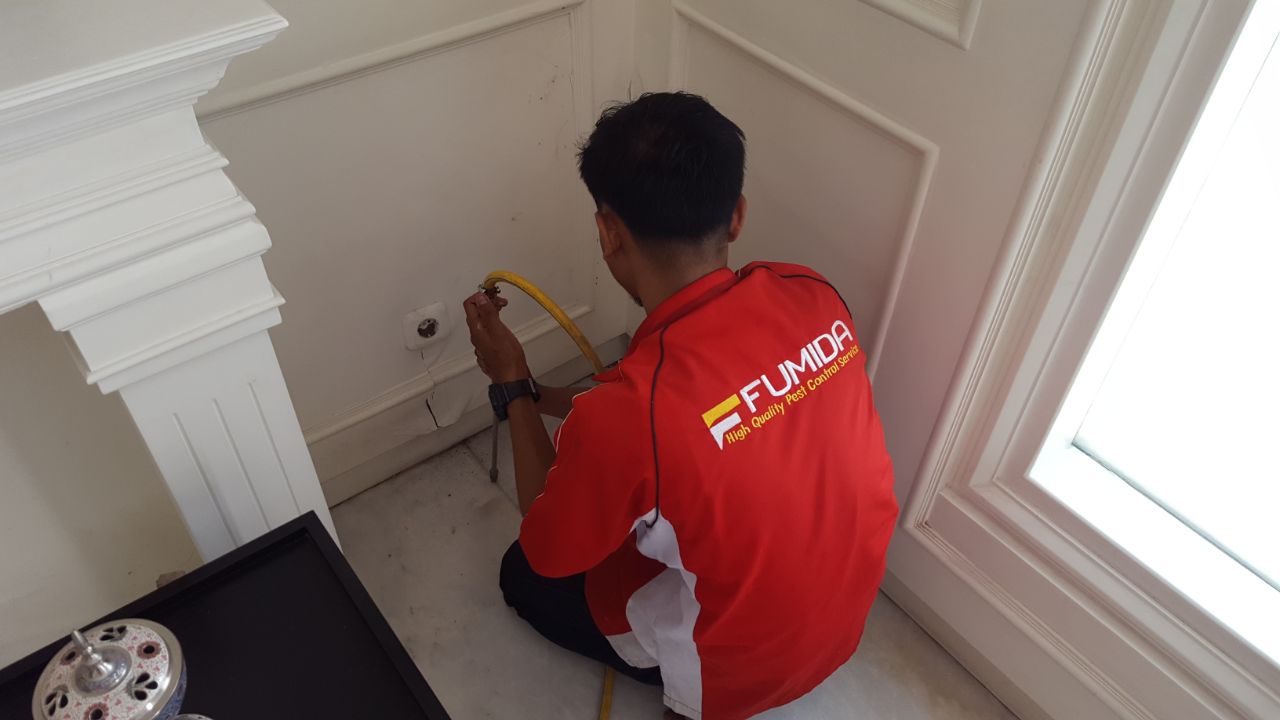
Every heritage building is a storyteller. The first is inscribed in carved teak and colonial-era joinery--craftsmanship that has survived earthquakes, regime changes, and a century of tropical rainfall. The second that is written in mud tube frass, mud tube and a hollow echo resulting from termites from a wood that were transformed into veneer is told by the mud tubes, frass, and an echo that is hollow. This is not a museum-related project to preserve Javanese wood that was used in the construction of historic structures, but rather a forensic intervention. The materials used are often not as long-lasting and authentic as romanticized. Subterranean termites could prefer historically authentic substitute timber. In order to provide anti-termite protection, the heritage contracts should include identification of species, proof of heartwood and preservation practices that preserve the stories of colonial construction that are interspersed throughout the grain.
1. Teak that is sold today doesn't contain the Heritage Teak.
Javanese teak that is older than 60 years old and is harvested has silica deposits and extractive oils that actively hinder termites from feeding. Plantation teak harvested at fifteen to twenty years does not have both. Most heritage buildings which fail today do not fail because of decayed wood; they typically fail because 20th century repairs were made with immature teak that termites perceive as food. To ensure that the new wood is not a threat to termites, it's important for exterminators to test the wood prior to installing it.
2. Heartwood In contrast to Sapwood, the Invisible Durability Gap
A single piece of timber may have two distinct durability classes. Mahoni sapwood is a high susceptibility to termites. Nangka heartwood is the second lowest rating (Class II) while nangka Sapwood is rated Class V, which is the lowest. Contractors who employ wood species, but do not specify heartwood only fabrication, are installing termite-prone material within structures that have been around for a long time because of their resistance to old growth. Anti-termite service providers should request core samples before approving restoration timber.
3. Bamboo Preservation Exists, however it requires immersion
The Dutch plague campaigns conducted in Java banned the use of bamboo because it harbored rats. But, the bamboo itself wasn't the issue. Bamboo that is not treated. Tobacco-stalk wood vinegar that is sprayed by cold-soaking for 24 hours before soil drenching, reduces the damage caused by termites to bamboo by 30 percent in 18 months. Bamboo structures with a historical significance can be preserved only by the surface of brushing. Infrastructure for immersion is needed.
4. Javanese wood isn't used for Colonial-Era repairs
Between 1911 and 1942, Dutch plague officers forcibly restored 1.6 million Javanese houses, mandating timber replacements based upon epidemiological criteria, not cultural continuity. A lot of the structures that are mistakenly considered to be Javanese vernacular structures were actually constructed by colonial health workers. The anti-termite inspectors who inspect homes of the past must distinguish between joinery that was precolonial and Dutch-mandated replacements. Comparing them to equals misinforms preservation philosophy and termite evaluation.
5. Soursop Leaf Extract Works at 25% Concentration
The weight loss from termites can be reduced by the soak of durian or coconut wood in a solution containing 25% soursop leaf extract. This allows for a level that is commercially acceptable for resistance. This is not folk medicine; it is concentration-dependent, replicable, and requires no synthetic chemistry. Jakarta exterminators that serve heritage clients must partner with facilities that can perform immersion treatments and document the amount of extracts that are concentrated.
6. SNI Class II Is Not "Termite Proof"
Tests on Coptotermes Curvignathus which are standardized and carried out using Indonesian National Standard Class II wood (classified as "resistant") still show a weight loss of six to ten per cent. Heritage preservation agreements that require a "Class II" or better without further intervention can accept the use of a metric. In the case of irreplaceable parts, physical barriers and non-repellent enticements must be added to the wood.
7. Agathis Timber and Durian Timber Durian Timber: Heritage Liabilities
Agathisdammara was widely employed in the colonial period for Javanese joinery, furniture, and interiors. Durio zibethinus timber is abundant throughout Central Java heritage structures. When tested in standardized tests, both species score Class V -- very weak resistance. This species should be spotted immediately by exterminators who inspect the heritage properties. A wooden door frame with Agathis carvings isn't an asset to be preserved; it is actually a termite-feeding station in period costume.
8. The moisture content determines the detectability
Termites can't detect wood that is less than 12-15 percent moist, regardless of the species or the durability class. The foundations of historic structures leak, and lack damp-proofing courses. If anti-termite services treat heritage wood without first addressing roof drainage and downspout discharge and capillary water that is rising through the masonry, they're applying costly treatments to wood termites that they have already identified.
9. The 1911 Archive exists and can be searched
About 300 photographs of Javanese houses from 1911-1931 are within the archives of the University of Cambridge, as well as Dutch colonial archives. They provide the original material used for repairs, as well as the historical interventions to repair and region-specific jointing. They're not just an academic interest; they're also evidence-based resources. Heritage exterminators who consult photographic archives can distinguish the original fabric from alternatives, and alter the risk assessment.
10. Preservation through Treatment Not Replacement
The Dutch colonial case shows how material substitution on an international scale can lead to houses of questionable authenticity and termite resistance. Plantation wood cannot replace the original timber in a way that improves heritage preservation. Preservation through treatment is the ethically and commercially viable alternative. This includes soaking in natural extracts as well as targeted baiting of irreplaceable fabrics, as well as physical barriers that do not require digging up historic foundations. Anti-termite service providers that present themselves as preservation partners rather than replacement contractors gain the trust of owners as well as specifications from architects.
Conclusion
Javanese wood preservation, the first termite treatment method, has been used for centuries. This was before synthetic pesticides were invented. The 25 percent soursop extract threshold as well as the bamboo-vinegar 18-month protocol and heartwood-verification requirement aren't substitutes for professional termite treatment. Instead, they are traditional methods of professional extermination. Jakarta anti-termite service providers who are seeking contracts for heritage must invest in infrastructure for immersion, acquire core sampling tools and train inspectors to differentiate colonial-era plague houses from the pre-colonial vernacular structures. The wood cannot be replaced. The ability to protect the wood isn't lost. It's just not been put into operation. The cost of services with this kind of capability will be of a high value for homeowners and conservators. The market is there. It's a matter of choosing which exterminators to hire. Take a look at the most popular jasa pembasmi rayap for website advice including pembasmi rayap, pembasmi rayap, pembasmi rayap, anti rayap terbaik, rayap pekerja, jasa anti rayap jakarta, jasa pembasmi rayap, penyebab rayap di lemari, cara basmi rayap kayu, rayap pekerja and more.

Greater Jakarta Soil Treatment Protocols To Treat Termites
The trench is dug. The rod will be placed. The chemical injection process is carried out. The technician repeats this process every sixty centimeters. The ritual is used by homeowners and exterminators tens thousands of times each year across Greater Jakarta. It is not. It is a custom that has been disguised as a protocol. Soil treatment for subterranean termites originated in temperate climates with different soil textures, different water regimes, and various species that are targeted. Transplanted to Jakarta's compacted silty clay, monsoon rainfall, and Coptotermes gestroi's foraging behaviors The traditional trench-and-drench method produces outcomes that vary from temporary suppression, to complete insufficiency. Greater Jakarta must have soil treatment protocols calibrated according to the conditions of Greater Jakarta. Ten important points distinguish chemical processes that create invoice lines and treatments that exclude termites.
1. Chemical Mobility is determined by soil texture
Jakarta's soils are heavily dominated by compacted silty Clay. Size of particles are tiny. The organic content is low. Porosity is not too high. Liquid termiticides applied to this substrate do not disperse radially like they do in loamy sands. They gather in the trench and migrate along preferential pathways--cracks and utility trenches, as well as root channels. Pesticides are making themselves look foolish by assuming that they have a uniform distribution. Soil core sampling is required to confirm post-application.
2. The placement is determined by the 300-500mm damp belt
The roof eaves protect the soil that is adjacent to the foundation wall. It gets little rain. It is much drier that open dirt in the garden. Termites hunt in the region of 300-500 millimeters from the structure. They are close enough to reach the foundation but far enough to avoid water. The soil treatment flushed against wall may miss this belt. The drip line marks which the trench is placed.
3. Half-life of hydrolysis is determined in weeks, not months
Hydrolysis breaks down fipronil imidacloprid and bifenthrin. The rate at which hydrolysis occurs increases depending on the temperature and humidity. Jakarta's average soil temperature ranges from 28-32degC. The soil's moisture levels are above 20% during the majority of the rainy season. Chemical half-life diminishes in proportion. In Bekasi, a product labelled for 12 months' effectiveness is still effective after approximately four months. The warranty should reflect this. Most do not.
4. Vertical Barrier requires horizontal disruption
Termites can get into the soil foundation interface. Only when the chemical agent is at the surface will soil treatment be able to create a vertical barrier. The rod's injection at the surface will deposit chemicals in the depths, but the top 5-10 cm be left untreated. This is because the rod must be withdrawn gradually to clean all of the column. Pest control professionals who remove rods right away after punching them down to depth are only treating the subsoil.
5. C-Organic Binds and Inactivates
Soil organics may absorb non-repellent Termiticides. This decreases the amount of termiticides available for termites. The urban soils of Jakarta tend to be deficient in organic matter, however the landscaping beds that are located near foundations often receive compost and potting mix. For soil treatment, higher rates are required to break down organic binders in these zones. Standard label rates assume unamended mineral soil.
6. Pre-treatment Moisture Audits Are Non-Negotiable
Habitats develop when soil water is higher than 22 percent. Soil water below 10% can reduce chemical pick-up and inhibits foraging. Exterminators who don't measure the soil's moisture level and inject terminicides are using chemicals under ambiguous conditions. The moisture gauge costs 200 thousand rupiah. Ten times that amount is devoted to the first re-treatment in case of the conditions for application are not correct.
7. The volume of the trench must be in line with the label rate, not linear meters
Indonesian soil treatment is usually priced by the linear meters. Labels specify the volume and concentration in units, or per linear foot with specified dimensions of the trench. Exterminators that quote per meter before checking the depth and width of trenches are selling conformity documentation, not treatment. The volume of chemicals needed to treat a 15cmx15cm-deep trench is about half the volume needed to treat a trench that is 30 cmx30cm deep. The price difference is rarely reflective of this.
8. Trenching Versus Rodding: Specific Option
Coptotermes Gestroi feeds on the soil's top 15 to 20 cm. Microtermes insperatus hunts deeper, and accessing water during dry times via vertical shafts. Rod injection deposits chemical at depth, intercepting Microtermes. Mixing and trenching chemical in the upper profile will stop the Coptotermes. Species identification must precede protocol selection. Pesticides who treat soil in the same way across all accounts are not matching the species diversity of Jakarta at least half of the time.
9. Re-treatment Intervals Are Shorter Than Marketing Claims
Indonesian pest control market is extremely competitive. The length of warranty periods has been extended to help increase sales. It is common to provide soil treatments with a three-year warranty. Under Jakarta's conditions, a 12- to 18-month exclusion period is recommended. It is true that home owners are experiencing termite damage in month twenty-two is not the case; they're in line with the plan. Exterminators keep customers who honor warranties at the end of month twenty-two without contesting the coverage. Pest control companies who dispute coverage will lose their clients.
10. The best way to be sure of quality is by sampling soil after treatment.
The exterminator claims that the trench was dug properly, the chemical was mixed with the correct concentration, injection was carried out at the correct pressure and distribution was uniform. The homeowner is not able to provide any method of verifying. The soil cores are analysed through the concentration of active ingredients. This service is available. It's inexpensive. Jakarta anti-termite service providers who share the results of soil samples gathered by third party companies with their clients and commission the work to be performed by a third party are distinguishing themselves based on evidence. Services that do not permit sampling are making a distinction based on faith. Markets are increasingly searching for proof.
Also, you can read our conclusion.
It is not because the soil treatment process in Greater Jakarta is optimized for Greater Jakarta but rather because it was used previously that they are still in use. Familiarity, however, doesn't mean that they are effective. In the silty, compacted soils in the city, larger trench volumes are required for an equivalent chemical distribution. Its monsoon climate compresses hydrolysis timelines, requiring shorter warranty terms and more frequent re-treatment cycles. The composition of the species in the assemblage demands protocol differentiation based upon pre-treatment identification. The landscape planting beds will need an increase in organic carbon levels as well as adjustments to the bed. The foundation geometries of the soil require trenching at the drip line, not at the wall line. Jakarta antitermite companies that continue to implement soil treatments based on the manufacturer's labels written specifically for Ohio or Texas, or Osaka, are guaranteed poor results. The manufacturer is not responsible for these results. The exterminator who did not adapt the treatment to the local environment is liable. Adaptation requires investment in soil moisture meters, core samplers, analytical laboratory connections, and technician training in identifying species. In a market that is established the investment is not an option. This is the cost to be a part of an area that has matured. Homeowners in Greater Jakarta can differentiate between exterminators paying this entry fee and those that pay it in other ways. They can determine the difference by comparing the propositions of the two exterminators. Read the best anti rayap for blog advice including cara membasmi rayap, jasa anti rayap bandung, jasa basmi rayap, kayu tahan rayap, anti rayap terbaik, pembasmi hama, kitchen set anti rayap, jasa anti rayap tangerang, rumah rayap, cara membasmi rayap and more.